
Shaping stakeholder perceptions

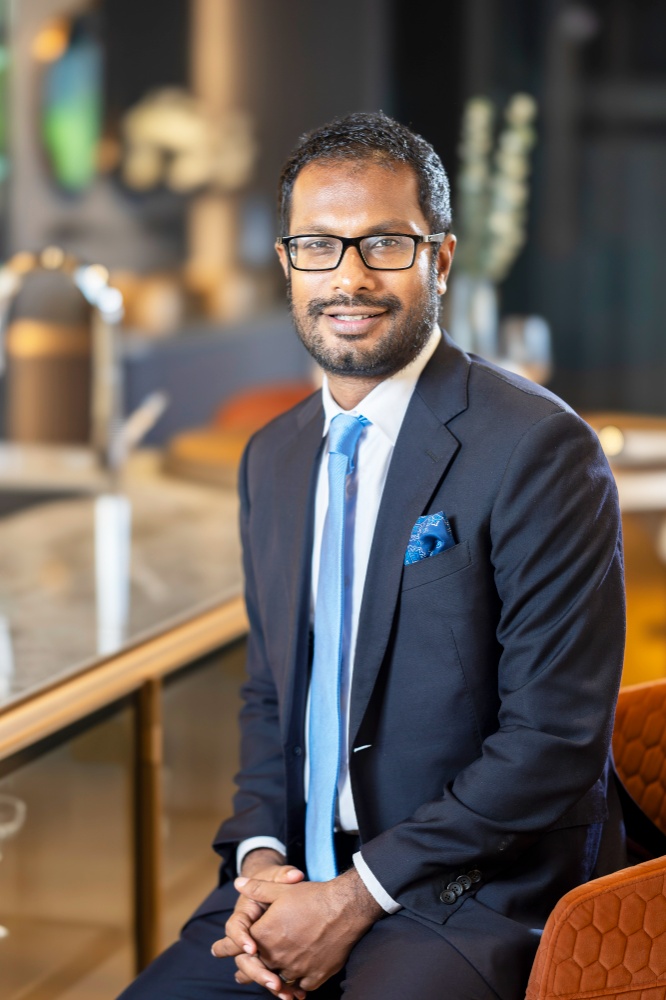
Company tradition performs a decisive position in shaping how an organisation is seen, skilled and finally revered. In response to Nishal Ferdinando, the fame of an organisation is formed by how folks – together with suppliers, prospects, rivals, shareholders and most people – expertise it.
These stakeholders typically work together with workers from completely different features – viz. finance, advertising, gross sales, human assets and different departments. If every staff displays a distinct angle or worth system, stakeholders will type inconsistent impressions of the organisation.
“Company tradition is extraordinarily necessary as a result of it provides stakeholders a constant expertise of the organisation. When you will have a number of workers representing the organisation, tradition unifies the entire, irrespective of individuals, departments, standing or place,” Ferdinando explains.
Stakeholders more and more assess corporations by means of the lens of tradition because it indicators sustainability and resilience. He believes that “if the company tradition is robust, stakeholders will know that regardless of folks altering their roles or positions, or retiring, the organisation represents one imaginative and prescient, mission, aim and tradition.”
That is why many longstanding international corporations are revered not merely for his or her merchandise or profitability however the tradition that has endured over time. Profitability might depend upon market situations, folks or merchandise however tradition supplies the baseline for constant outcomes.
Ferdinando explains that revered organisations are inclined to share a number of cultural traits. One is a powerful buyer focus, the place the shopper is valued not solely by entrance going through groups however throughout the organisation, he notes: “High quality consciousness is a cultural trait the place everybody perceives high quality as a should and won’t lower corners.”
Organisations with resilient cultures don’t panic throughout shocks equivalent to pandemics, financial crises or international disruptions. “If in case you have a resilient tradition, even when robust conditions come up, you have a look at the subsequent 4 or 5 years and make your choices. You don’t panic – you progress ahead,” Ferdinando explains.
He provides that organisations that protected workers, supported communities and honoured their commitments throughout troublesome durations earned respect, as a result of their responses mirrored values and tradition moderately than short-term concerns.
Respect should even be a part of tradition – respect for stakeholders, folks, the planet and the longer term. Gratitude is one other trait Ferdinando believes is usually missed. Respected organisations look past monetary outcomes and recognise the group that buoys their success.
“Everybody speaks the identical language and appears on the buyer in a unified method. That may turn into an enormous aggressive benefit over rivals who might not have established a powerful tradition,” he says.
Organisations with robust cultures are higher in a position to answer threats, seize alternatives and stay aligned round a shared mission. As Ferdinando says, “when employees really feel for the organisation and drive it with pleasure, that tradition is felt by prospects, suppliers, distributors and different stakeholders.”
What’s extra, he believes that tradition is crucial for international progress. Firms that develop efficiently throughout international locations typically carry a powerful core tradition with them, adapting it to native contexts whereas sustaining the basics.
“If the company tradition is robust, you may adapt and tweak it based on a nationwide tradition. That’s the reason some corporations turn into multinationals. The core a part of the tradition stays the identical,” he provides.
For Ferdinando, tradition is a vital think about retaining respect over time because it survives modifications in management, generations and markets. “Tradition is without doubt one of the most necessary components in sustaining respect,” he reitecharges, including that “the product can change however the identical ethos of the organisation stays by means of tradition.”
He provides that Sri Lankan corporations might place extra emphasis on constructing company tradition as an alternative of remaining too founder, household or prime administration centric. “If we deal with tradition and provides it the worth it deserves, Sri Lankan corporations might attain among the heights that companies world wide have reached globally,” Ferdinando sums up.
